- Rare high-risk trauma involving thoracic spine fracture and severely comminuted floating acetabular fracture
- Obesity, diabetes, hypertension, and postoperative cardiac arrhythmias significantly increased surgical and recovery risks
- Multidisciplinary coordination involving orthopedics, cardiology, anesthesia, critical care, and rehabilitation played a crucial role in recovery
Muscat, Oman – July 15, 2026: Aster Royal Al Raffah Hospital, Muscat, has successfully managed and treated one of the most challenging orthopaedic trauma cases seen in recent times, involving a 65-year-old patient from Estonia who sustained multiple severe injuries during a tourist visit to Oman.
Mr. Andrus Lall, a consultant with Andren Konsult Construction Company from Rakvere, Estonia, had travelled to Oman for tourism when he suffered a major fall from a height of approximately six feet while visiting a wadi. The accident caused multiple critical injuries, including a D6 thoracic spine fracture and a rare, severely comminuted floating acetabular fracture extending into the iliac crest, an injury pattern rarely encountered in elderly patients.
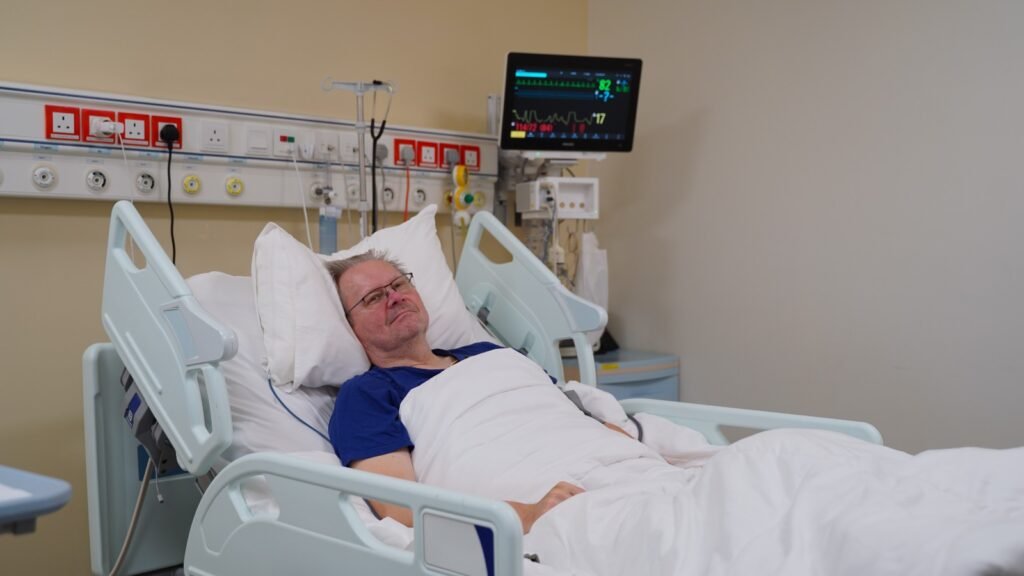
The case became significantly more challenging because the patient was markedly obese and had multiple existing medical conditions including diabetes mellitus and hypertension, all of which substantially increased the risks associated with prolonged surgery, anesthesia, blood loss, wound healing, and postoperative recovery.
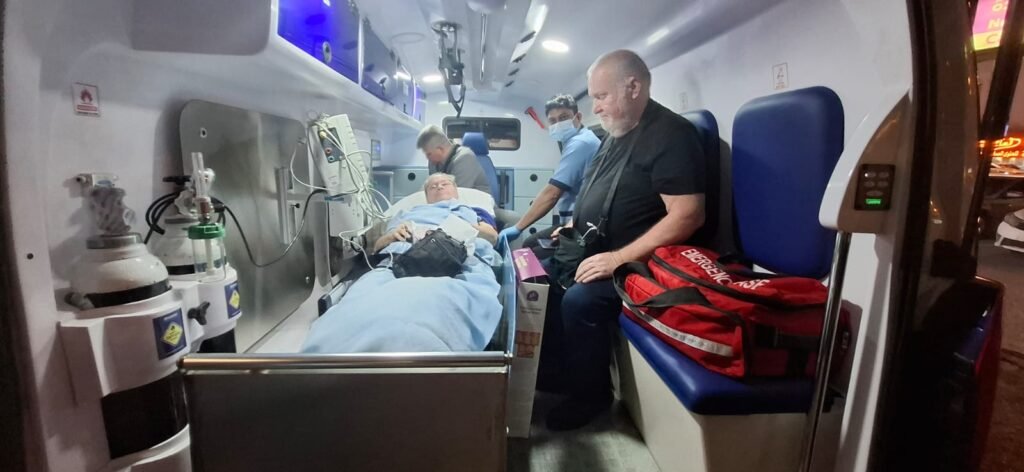
Initially treated at a government hospital, the patient was later referred to Aster Royal Al Raffah Hospital for definitive specialized trauma care. The timely transfer to a tertiary trauma center proved critical in enabling advanced surgical planning and multidisciplinary management.
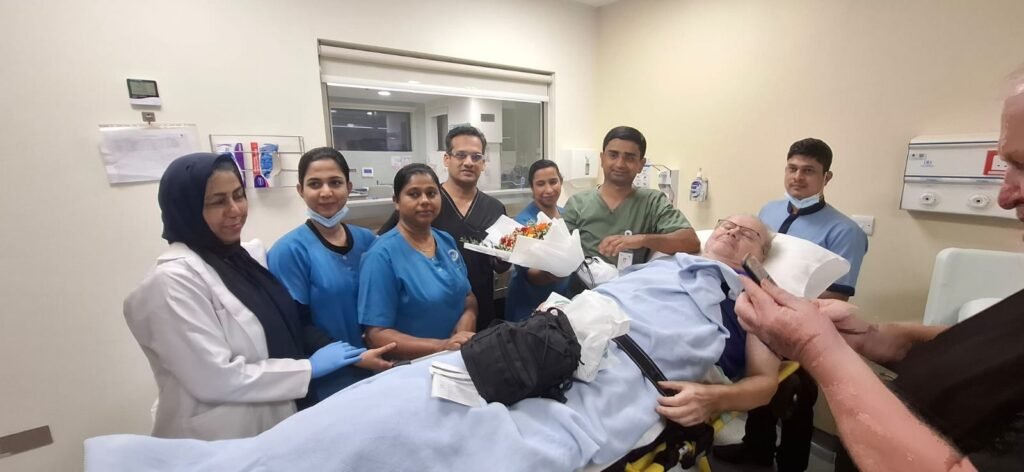
Following extensive evaluation, the orthopaedic team led by Dr. Kalyan Srungavarapu and Dr. Sandesh Shetty, Consultants in Orthopaedic Surgery, formulated a highly specialized single-stage surgical plan. The complexity of the case was amplified not only by the fracture configuration and the patient’s obesity, but also by logistical and communication barriers, as the patient was alone in a foreign country with limited local family support and significant language difficulties during treatment and recovery.
The surgery, clinically categorized as a Complex Hip Reconstruction (CHR), involved multiple advanced procedures performed in a single sitting. The team first carried out open reduction and internal fixation (ORIF) of the acetabular fracture to stabilize the shattered pelvic anatomy. This was followed by structural bone graft reconstruction to restore bony integrity, and finally a complex total hip replacement to restore joint function and mobility.
The procedure lasted nearly six hours and required meticulous surgical precision, multidisciplinary coordination, prolonged anesthesia management, and transfusion of two units of blood. Due to the patient’s obesity and associated comorbidities, perioperative management was especially demanding.
The postoperative period also presented major medical challenges. During recovery, the patient began developing episodes of supraventricular tachycardia (SVT) and cardiac arrhythmias, causing sudden elevations in heart rate, particularly during periods of physical stress. These episodes required urgent cardiac monitoring and specialized intervention.
A dedicated cardiology team worked closely with the orthopaedic and critical care specialists to stabilize the patient’s cardiac status and carefully manage the arrhythmia before rehabilitation could safely proceed. Close collaboration between multiple specialties helped stabilize the patient and support recovery after surgery.
Speaking about the complexity of the case, Dr. Kalyan Srungavarapu, Consultant Orthopaedic Surgeon at Aster Royal Al Raffah Hospital, Muscat, said:
“This was an exceptionally difficult case because of the rare fracture pattern combined with obesity, diabetes, hypertension, and postoperative cardiac complications. Managing such severe injuries in an elderly obese patient always carries significant surgical and anesthetic risks. The positive outcome was achieved through coordinated decision-making, surgical expertise, and rapid clinical management.”
Dr. Sandesh Shetty, Consultant – Orthopaedic Surgeon, Aster Royal Al Raffah Hospital, Muscat, added:
“A single-stage surgery of this complexity requires meticulous preoperative planning, surgical precision and strong perioperative care. I am glad that we were able to help Mr. Lall and we are pleased with the outcome and the patient’s recovery so far. The case demonstrates the growing sophistication of complex trauma care services within Oman.”.
Expressing his gratitude, Mr. Andrus Lall said:
“I am deeply thankful to the doctors and the entire medical team at Aster Royal Al Raffah Hospital. Being alone in a foreign country during such a difficult time was challenging, but the care and support I received made all the difference. The professionalism and compassion shown by everyone here have been truly remarkable, and thanks to their expertise, I was able to recover and return home safely.”
Mr. Lall continues to recover under close medical supervision and rehabilitation support. Following his return to Estonia, additional treatment and rehabilitation have been advised at the North Estonia Medical Centre.
Acetabular fractures remain uncommon worldwide and are most often linked to high-impact trauma events. International studies estimate their occurrence to be relatively low in the general population. These injuries are frequently accompanied by trauma affecting other regions of the body, particularly the spine and chest. Combined fixation and hip replacement procedures are usually considered only in highly complex cases involving severe fracture fragmentation in older patients.
The successful treatment of this case highlights the advanced orthopaedic, trauma, cardiology, anesthesia, and critical care capabilities available at Aster DM Healthcare facilities in Oman.
Aligned with Aster DM Healthcare’s “Treat in Oman” initiative, the case further reinforces Oman’s growing reputation as a destination for advanced, world-class healthcare capable of managing highly complex medical and surgical conditions locally.
About Aster DM Healthcare FZC in GCC
Founded in 1987 by Dr. Azad Moopen, Aster DM Healthcare is a leading integrated healthcare provider, with a strong presence across 5 countries in the GCC and Jordan. Aster is committed to the vision of providing accessible and high-quality healthcare, from primary to quaternary services, with its promise of “We will treat you well”. The organization’s robust integrated healthcare model includes 15 hospitals, 124 clinics, and 333 pharmacies in GCC serving all segments of the society through three differentiated brands: Aster, Medcare and Access. Aster consistently adapts to meet the evolving needs of patients, ensuring access to quality healthcare through both physical and digital channels which is exemplified with the launch of the region’s first healthcare super app, myAster.
For more information about us, please contact:
Lavanya Mandal Head of PR and Internal Communications Aster DM Healthcare Tel: +971 528126577 Email: lavanya.mandal@asterdmhealthcare.comUdhayan Sasidharan NairManager – PR & Communications Aster DM Healthcare Tel: + 971 508850520 Email: udhayan.nair@asterdmhealthcare.com |